Introduction to EV Chargers
Electric vehicles (EVs) are rapidly transforming the way we think about transportation, and at the heart of this revolution lies the EV charger. Whether at home, at work, or on the road, EV chargers provide the essential energy needed to power these eco-friendly vehicles.
Why EV Chargers Are Essential for Electric Vehicles
As EV adoption grows, the demand for accessible and efficient charging infrastructure becomes crucial. EV chargers bridge the gap between clean energy and daily commutes, ensuring a seamless driving experience.
Also Read:- EV Charger Market Trends in 2025- What to Expect
Types of EV Chargers
1. Level 1 Chargers
Features of Level 1 Chargers
Level 1 chargers use a standard household outlet, delivering 120V AC. They are ideal for overnight charging and can fully charge an EV in 8–12 hours, depending on the battery size.
Advantages and Disadvantages of Level 1 Chargers
- Advantages: Easy setup, affordable, no additional installation required.
- Disadvantages: Slow charging speed, less suitable for long trips.
2. Level 2 Chargers
Features of Level 2 Chargers
Level 2 chargers use a 240V outlet, offering significantly faster charging than Level 1. They can charge an EV in 4–6 hours.
Advantages and Disadvantages of Level 2 Chargers
- Advantages: Faster charging, compatible with most EVs, ideal for home and public use.
- Disadvantages: Requires professional installation and a dedicated power supply.
3. DC Fast Chargers
Features of DC Fast Chargers
These chargers deliver direct current (DC) at high voltage, enabling rapid charging. They can charge an EV up to 80% in 30 minutes.
Advantages and Disadvantages of DC Fast Chargers
- Advantages: Quick charging, ideal for long trips.
- Disadvantages: Expensive installation and limited availability.
4. Ultra-Fast Chargers
What Are Ultra-Fast Chargers?
Ultra-fast chargers represent the latest in EV charging technology, delivering up to 350 kW for the fastest charging times.
How Ultra-Fast Chargers Revolutionize EV Infrastructure
They drastically reduce charging time, making EVs more practical for widespread adoption.
Different Types of EV Chargers in India
Home Chargers
Convenient and cost-effective, home chargers are a popular choice for individual EV owners.
Public Charging Stations
Located in urban centers, highways, and malls, these chargers ensure accessibility for travelers.
Workplace Charging
Workplace chargers support employees who commute with EVs, encouraging sustainable transportation.
Fleet Charging Solutions
Designed for commercial EV fleets, these solutions maximize operational efficiency.
Comparative Table of EV Charger Types
| Charger Type | Voltage | Charging Time | Ideal Use Case |
| Level 1 | 120V | 8–12 hours | Home use |
| Level 2 | 240V | 4–6 hours | Home and public use |
| DC Fast | 400V+ | 30 minutes (80%) | Long-distance travel |
| Ultra-Fast | 350 kW | 15–20 minutes (80%) | Future-ready networks |
Factors to Consider When Choosing an EV Charger
Selecting the right EV charger is essential to ensure efficiency, compatibility, and cost-effectiveness. Here are key factors to keep in mind:
1. Charging Speed
- Home Use: For residential charging, Level 1 or Level 2 chargers are usually sufficient. Level 1 works well for overnight charging, while Level 2 provides faster recharging options.
- Public or Fleet Use: DC fast chargers or ultra-fast chargers are better suited for public stations and fleet operations where time is critical.
2. Compatibility
- EV chargers must be compatible with the vehicle’s charging port. Common standards include CHAdeMO, CCS (Combined Charging System), and Tesla’s proprietary connector. Verify your EV’s specifications before purchasing.
3. Installation Costs
- Level 1 chargers require minimal installation, while Level 2 and DC fast chargers often involve higher setup costs, including electrical upgrades and professional installation. Ultra-fast chargers may require significant infrastructure investments.
4. Energy Source
- Opting for renewable energy-based chargers, such as solar-powered systems, can enhance sustainability while reducing electricity costs in the long term.
5. Portability
- Portable chargers are convenient for users who need flexibility and travel frequently. However, they may charge slower than fixed units.
Role of EV Chargers in Building a Green Future
EV chargers play a critical role in transitioning to sustainable transportation. By enabling widespread EV adoption, they help reduce carbon emissions, minimize reliance on fossil fuels, and promote cleaner air quality.
- Renewable Integration: Many charging stations now incorporate renewable energy sources, such as solar panels, to power EVs sustainably.
- Economic Growth: The EV charging industry creates job opportunities and fosters innovation in green technologies.
- Urban Planning: Smart cities integrate EV charging networks to support sustainable urban development and promote eco-friendly commuting.
Challenges in Adopting EV Charging Infrastructure
Despite their benefits, EV chargers face certain barriers:
1. High Installation Costs
- Setting up advanced chargers like DC fast chargers and ultra-fast chargers can be expensive, limiting their widespread availability.
2. Grid Reliability
- The increased demand for electricity from EV chargers can strain existing power grids, particularly in regions with limited infrastructure.
3. Standardization
- The lack of uniform charging standards across manufacturers and regions can create compatibility issues.
4. Accessibility
- Rural and remote areas often lack sufficient charging stations, hindering EV adoption in those regions.
5. Consumer Awareness
- Educating consumers about EV chargers, their benefits, and usage is crucial for driving adoption.
Government Initiatives and Policies Supporting EV Chargers in India
The Indian government has introduced several policies to promote EV charging infrastructure:
- FAME India Scheme: The Faster Adoption and Manufacturing of Hybrid and Electric Vehicles (FAME) initiative provides incentives for EV adoption and infrastructure development.
- Tax Benefits: Tax deductions are available for individuals and businesses installing EV chargers.
- Public Charging Guidelines: Policies mandate the development of public charging stations in urban areas and along highways.
- State-Level Initiatives: States like Maharashtra, Tamil Nadu, and Delhi have rolled out policies offering subsidies and incentives for EV infrastructure.
The Future of EV Charging Technology
The future of EV charging technology is promising, with innovations focusing on speed, efficiency, and convenience:
1. Wireless Charging
- Inductive charging allows EVs to be charged without cables, providing seamless and hassle-free energy transfer.
2. Vehicle-to-Grid (V2G) Technology
- V2G systems enable EVs to return excess energy to the grid, helping stabilize energy supply and demand.
3. Ultra-Fast Charging Networks
- With advancements in battery technology, ultra-fast chargers are set to become more commonplace, reducing charging times to under 10 minutes.
4. AI-Powered Chargers
- Artificial intelligence can optimize charging schedules, predict maintenance needs, and improve energy efficiency.
5. Sustainable Materials
- Future chargers will increasingly use eco-friendly materials and integrate renewable energy systems to minimize environmental impact.
How to Maintain EV Chargers for Longevity
Proper maintenance ensures that EV chargers operate efficiently and have a longer lifespan. Here are some tips:
1. Regular Inspections
- Check the connectors, cables, and ports for signs of wear or damage.
- Ensure there’s no water leakage or dust accumulation in outdoor installations.
2. Software Updates
- Keep the firmware of smart chargers updated to ensure compatibility with the latest EV models and optimal performance.
3. Cleanliness
- Clean the charging unit and connectors regularly to prevent dirt and debris from interfering with the connection.
4. Professional Servicing
- Schedule periodic servicing by certified technicians to identify and fix potential issues.
5. Surge Protection
- Install surge protectors to shield the charger from voltage spikes that could damage the system.
Key Players in the EV Charging Industry
The global EV charging industry is rapidly expanding, with major players contributing to infrastructure development. Some leading names include:
- Tesla: Known for its Supercharger network, Tesla has set a benchmark for fast and reliable charging.
- ChargePoint: Offers an extensive range of home and public charging solutions.
- ABB: Focuses on DC fast chargers and ultra-fast charging solutions.
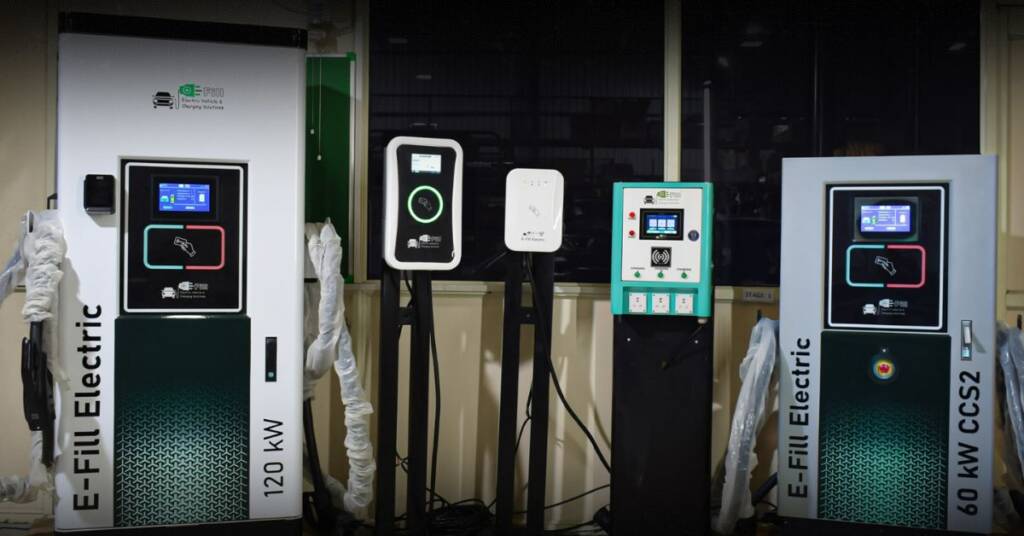
- E-Fill Electric: Emerging as a trusted name in the EV charging industry, E-Fill Electric offers innovative and reliable charging solutions tailored to meet the needs of urban and rural areas alike.
- Tata Power EZ Charge: A key player in India, providing an expansive network of EV chargers.
- IONITY: A European network specializing in high-power charging stations for long-distance travel.
Also Read:- Top 10 EV Charger Manufacturers in India
Global Trends in EV Charging
1. Expansion of Public Charging Networks
- Governments and private entities are investing heavily in public charging infrastructure, especially in urban centers and along highways.
2. Interoperability
- Efforts are being made to standardize charging protocols, making it easier for EV owners to charge their vehicles across different networks.
3. Rise of Subscription Models
- Charging-as-a-Service (CaaS) models are becoming popular, offering users flexible payment plans and additional benefits like roadside assistance.
4. Smart Charging Solutions
- Integration with smart grids allows EV chargers to optimize energy usage, reducing costs and environmental impact.
5. Integration with Renewable Energy
- Solar- and wind-powered charging stations are gaining traction, contributing to a sustainable energy ecosystem.
The Economic Impact of EV Chargers
The proliferation of EV chargers is not only an environmental boon but also an economic opportunity:
- Job Creation: From manufacturing to installation and maintenance, the EV charging sector creates numerous jobs.
- Boost to Local Economies: Charging stations increase footfall in nearby businesses, benefiting local economies.
- Investment Opportunities: With governments and private investors funding EV infrastructure, this sector presents lucrative opportunities.
Also Read:- Economics of EV Charging Stations
Success Stories in EV Charging Deployment
1. Norway
- Norway leads the world in EV adoption, with an extensive network of fast and ultra-fast chargers. Over 90% of new vehicles sold in Norway are electric, thanks to supportive policies and accessible charging infrastructure.
2. India
- With initiatives like the FAME scheme, India is witnessing rapid growth in EV charging infrastructure. Cities like Delhi, Bangalore, and Pune are leading the way with extensive public and private charging stations.
3. California, USA
- California has set ambitious goals for EV adoption, supported by a robust network of chargers and incentives for businesses to install charging units.
Final Thoughts
EV chargers are more than just a utility; they are a cornerstone of the electric mobility revolution. By understanding the different types of chargers, their applications, and the challenges involved, stakeholders can make informed decisions to foster growth in this industry. As technology evolves, the future of EV charging promises greater accessibility, sustainability, and efficiency, driving us closer to a greener planet. E-Fill Electric stands at the forefront of this transformation, offering innovative and reliable charging solutions that empower individuals and businesses to contribute to a cleaner, greener future.
Also Read:- EV Charger Franchise Benefits and How to Start?
Frequently Asked Questions (FAQs)
1. What are the main types of EV chargers?
The primary types of EV chargers include Level 1 (120V), Level 2 (240V), DC Fast Chargers, and Ultra-Fast Chargers.
2. Which type of EV charger is the fastest?
Ultra-fast chargers, offering up to 350 kW, are the fastest, capable of charging an EV up to 80% in just 15–20 minutes.
3. Are EV chargers universal?
Not all EV chargers are universal. Compatibility depends on the vehicle’s charging port, with common standards being CHAdeMO, CCS, and Tesla connectors.
4. What type of charger is most suitable for home use?
Level 1 and Level 2 chargers are ideal for home use, with Level 2 being faster and more efficient for daily charging needs.
5. How does the cost of EV chargers vary by type?
Costs range from low for Level 1 chargers to higher for Level 2 and DC fast chargers. Ultra-fast chargers are the most expensive due to advanced technology and infrastructure requirements.
6. What incentives are available for installing EV chargers in India?
The Indian government provides subsidies under the FAME scheme, tax benefits, and state-specific incentives for EV charger installation.