Introduction
The electric vehicle (EV) industry is witnessing a rapid transformation, driven by technological advancements and a growing emphasis on sustainable transportation. One of the most crucial innovations fueling this revolution is fast charging technology. As consumers seek convenient and quick charging solutions, fast charging is becoming a game-changer in the EV landscape.

Understanding Fast Charging Technology
What is Fast Charging?
Fast charging is an advanced method that significantly reduces the time required to charge an electric vehicle compared to standard chargers. It delivers high power output, enabling EVs to charge from 0 to 80% in as little as 20–30 minutes.
How Does It Work?
Fast chargers use direct current (DC) instead of alternating current (AC), which allows the vehicle’s battery to receive power directly, bypassing the onboard charger that converts AC to DC. This speeds up the charging process significantly.
Also Read:- What Are the Different Types of EV Chargers? A Comprehensive Guide
Types of Fast Charging Technology
DC Fast Charging
- Uses high-voltage DC power.
- Most common type of fast charging available at public stations.
- Includes CCS (Combined Charging System) and CHAdeMO connectors.
AC Fast Charging
- Delivers high power through AC but requires onboard conversion.
- Suitable for home or workplace charging setups.
Wireless Charging
- Uses electromagnetic fields for contactless charging.
- Still in the early stages but shows promising potential.
Advantages of Fast Charging in EVs
- Reduced Charging Time: Cuts down hours-long charging sessions to mere minutes.
- Convenience: Makes EVs more practical for daily use and long-distance travel.
- Encourages EV Adoption: Faster charging solutions eliminate range anxiety, encouraging more people to switch to electric mobility.
Fast Charging vs. Conventional Charging
| Feature | Fast Charging | Conventional Charging |
| Speed | 20-30 min (80%) | 4-8 hours (Level 2) |
| Power Output | 50-350 kW | 3-22 kW |
| Ideal For | Public stations, highways | Home, offices |
Key Players in Fast Charging Technology
- Tata Power EZ Charge: One of India’s largest EV charging networks, expanding rapidly across major cities and highways.
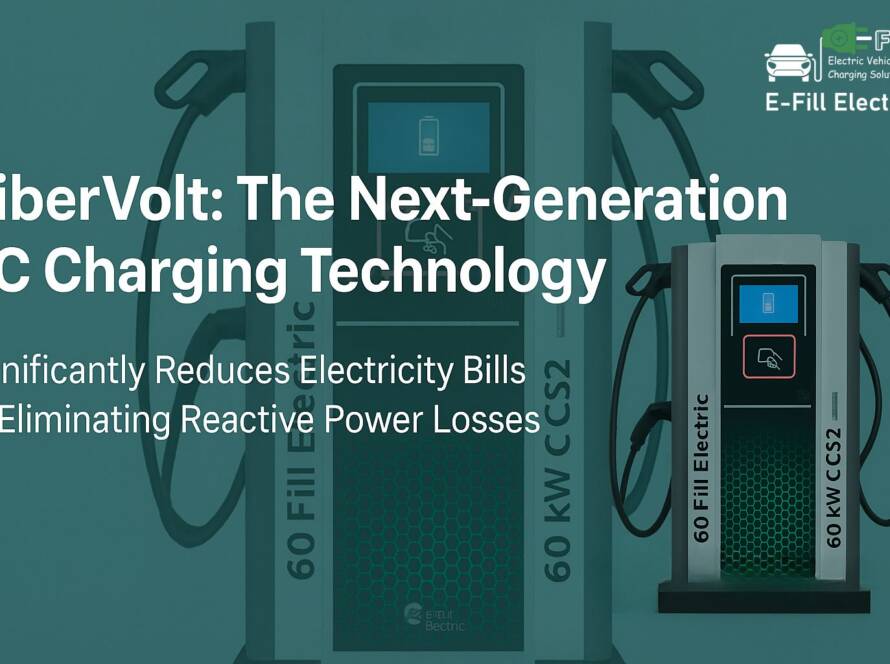
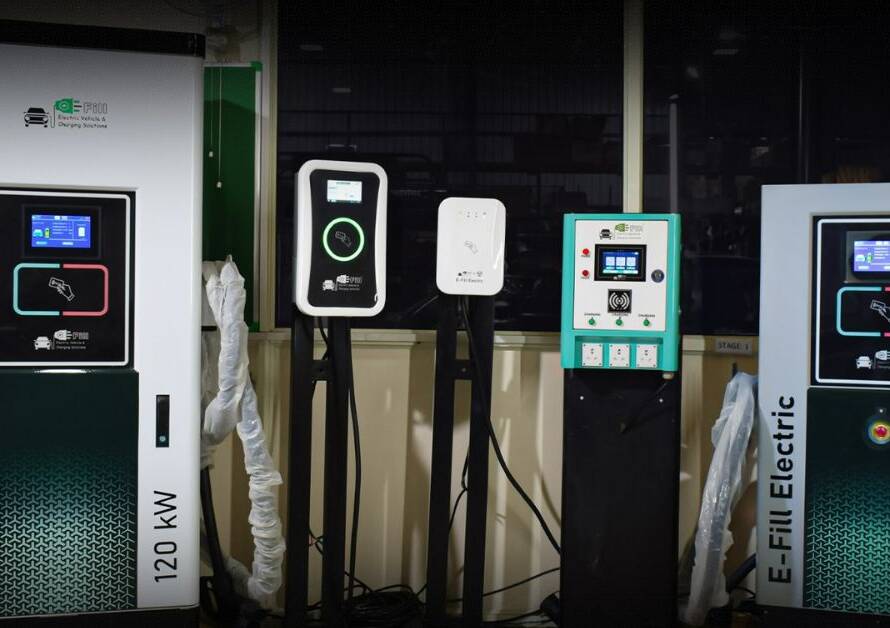
- E-Fill Electric: One of India’s emerging EV charging solution providers, offering fast and reliable charging infrastructure.
- ChargeGrid by Magenta: Focused on smart and efficient charging solutions with a growing presence in India.
- Fortum Charge & Drive: A Finland-based company with a strong presence in India, providing high-speed charging stations.
- Delta Electronics: Developing fast-charging stations with advanced technology across India.
Also Read: –Top 10 EV Charger Manufacturers in India
Challenges in Fast Charging Implementation
- Infrastructure Development: Need for widespread charging networks.
- High Installation Costs: Expensive setup and maintenance.
- Battery Life Concerns: Frequent fast charging may accelerate battery degradation.
Innovations in Fast Charging Technology
- Ultra-Fast Charging (350 kW+): Newer stations can charge EVs in under 15 minutes.
- Solid-State Batteries: Offer higher energy density and faster charging capabilities.
- AI & Smart Charging Grids: Optimize energy distribution and prevent overloads.
Impact on the EV Market
- Higher EV sales due to improved charging convenience.
- More consumer confidence in switching to electric mobility.
- Increased investment in EV infrastructure.
How Governments are Supporting Fast Charging Expansion
Incentives and Subsidies
Governments worldwide are recognizing the importance of fast charging infrastructure in the EV revolution. Many are offering financial incentives to businesses and consumers to encourage the development and adoption of EV charging networks. These include:
- Grants for charging station installation
- Tax credits for EV buyers using fast chargers
- Reduced electricity tariffs for charging stations
Policy Initiatives
Several countries have mandated the integration of fast chargers along major highways and urban areas. For instance:
- India’s FAME (Faster Adoption and Manufacturing of Hybrid and Electric Vehicles) scheme supports the deployment of rapid charging infrastructure.
- The U.S. Federal Highway Administration has designated alternative fuel corridors with mandatory fast charging stations.
- The European Union is working towards an integrated pan-European charging network.
Overcoming Range Anxiety with Fast Charging
What is Range Anxiety?
Range anxiety is the fear that an electric vehicle will run out of battery before reaching a charging station. This has been a major hurdle in widespread EV adoption.
How Fast Charging Helps
- Shorter Charging Times: With fast chargers, an EV can be recharged within 20-30 minutes, making long trips feasible.
- More Charging Locations: The increasing presence of fast chargers on highways and in cities ensures drivers are never too far from a charging point.
- Real-Time Navigation Assistance: Modern EVs come with smart navigation that directs users to the nearest available fast-charging station.
Conclusion
Fast charging technology is transforming the EV industry, making electric vehicles more convenient, practical, and sustainable. As technology advances and governments continue to support its expansion, fast charging will become an essential part of everyday life. The future is electric, and with ultra-fast charging solutions on the horizon, EVs are set to dominate global transportation. Companies like E-Fill Electric are playing a crucial role in this revolution by providing innovative and reliable EV charging solutions, making it easier for people to switch to electric vehicles and ensuring a seamless charging experience.
Also Read:- EV Charger Market Trends in 2025- What to Expect