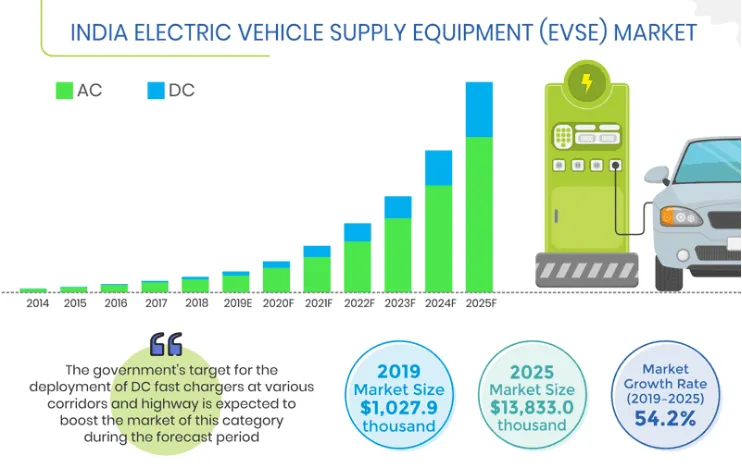
As the electric vehicle (EV) market in India continues to grow, the demand for EV charging infrastructure is increasing. Setting up a charging station can be a lucrative business opportunity, but it involves navigating through various processes and regulations. Here’s a comprehensive guide on how to apply for an EV charging station in India, including the cost, franchise options, and government guidelines.
Understanding the EV Charging Station Ecosystem
Before applying, it’s important to understand the components and infrastructure required for a charging station. Typically, an EV charging station includes:
- Charging Units: These can be AC or DC fast chargers, depending on the types of vehicles and charging speed you aim to offer.
- Power Supply: Adequate electrical infrastructure to support the charging units.
- Space: Sufficient space for parking and maneuvering vehicles.
- Signage and Safety Measures: Proper signage and safety protocols must be in place.
Government Guidelines and Incentives
The Indian government has introduced several policies and incentives to promote EV infrastructure:
- FAME India Scheme: Under the Faster Adoption and Manufacturing of Hybrid and Electric Vehicles (FAME) scheme, subsidies and incentives are available for setting up EV charging stations.
- National Electric Mobility Mission Plan (NEMMP): This plan provides a framework for EV infrastructure development, including charging stations.
- State-Level Policies: Various states have their own policies and incentives, which can include subsidies, tax rebates, and land allotments.
- Reduced GST Rates: The Indian government has reduced the Goods and Services Tax (GST) on electric vehicles and EV charging equipment to encourage adoption. This reduction lowers the overall cost for consumers and businesses investing in EV infrastructure.
- Green Bonds and Funding: The government has promoted green bonds and other funding mechanisms to support the development of sustainable infrastructure, including EV charging networks. This financing helps attract investment in EV infrastructure projects.
- Public-Private Partnerships (PPP): The government encourages public-private partnerships to enhance EV infrastructure development. These partnerships aim to leverage private sector efficiency and investment to expand the network of EV charging stations.
- Urban Mobility Plans: Many urban areas are developing comprehensive urban mobility plans that incorporate EV infrastructure as a key component. These plans often include strategies for integrating EV charging stations into existing urban planning and development.
- Standards and Regulations: The government is working on establishing standard guidelines and regulations for EV charging infrastructure to ensure compatibility, safety, and reliability across different manufacturers and service providers.
- Research and Development Support: Government schemes support R&D in EV technology and infrastructure, providing grants and incentives to organizations working on innovations that can improve EV charging efficiency and infrastructure.
- Educational and Awareness Programs: Initiatives to educate the public and businesses about the benefits of EVs and the available incentives are in place to foster greater adoption and support for EV infrastructure.
- Charging Infrastructure in Public Spaces: Policies mandate the installation of EV charging stations in public areas, such as malls, airports, and government buildings, to ensure widespread accessibility and convenience.
- Electric Vehicle Manufacturing Support: Incentives are available for manufacturers who produce EVs and EV components domestically. This support helps increase the availability of affordable EVs and components, indirectly supporting the growth of EV infrastructure.
- Financial Support for Charging Station Operators: Specific incentives and subsidies are provided to entities operating EV charging stations, which can include reduced interest rates on loans and financial support for setting up and maintaining the infrastructure.
Steps to Apply for Government Incentives:
- Check Eligibility: Ensure that your proposed location and business meet the criteria specified under the FAME scheme and other relevant policies.
2. Prepare Documentation: Gather all necessary documents, including business registration, property documents, and proof of compliance with technical standards.
3. Submit Application: Apply through the Ministry of Heavy Industries and Public Enterprises or the respective state government bodies.
4. Approval and Disbursement: Upon approval, you may receive financial support or incentives as per the scheme guidelines.
Cost of Setting Up an EV Charging Station
The cost of establishing a charging station can vary based on several factors:
- Type of Charger: AC chargers are generally less expensive than DC fast chargers. DC chargers can range from INR 10 lakh to INR 50 lakh or more.
- Infrastructure: Electrical upgrades, installation, and maintenance costs can add significantly to the total expenditure.
- Space: Costs related to leasing or purchasing space for the station.
- Permits and Licenses: Fees for obtaining necessary permits and licenses from local authorities.
Estimated Cost Breakdown:
- AC Chargers: INR 2 lakh to INR 5 lakh per unit.
- DC Fast Chargers: INR 10 lakh to INR 50 lakh per unit.
- Infrastructure and Installation: INR 5 lakh to INR 20 lakh.
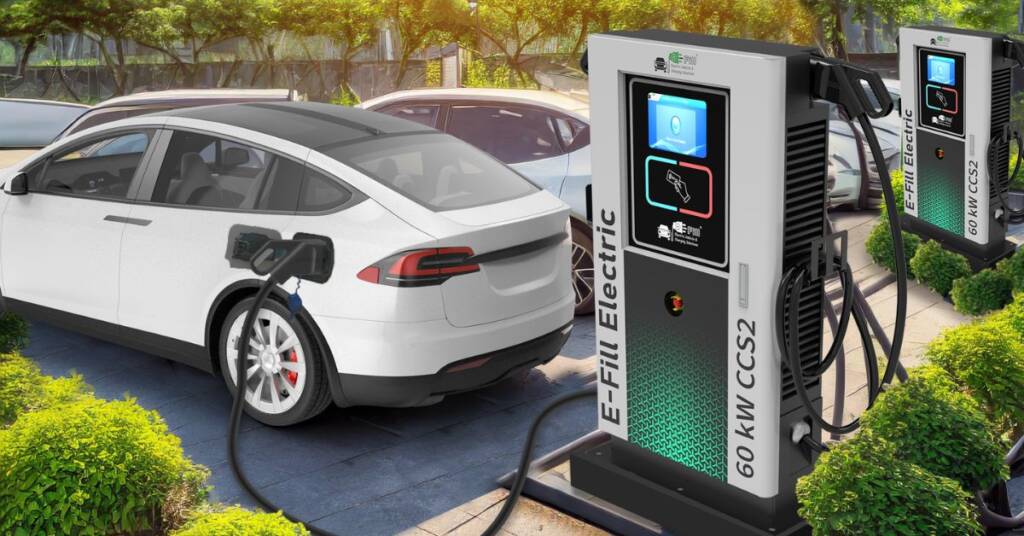
Franchise and Partnership Opportunities: E-Fill Electric
Partnering with E-Fill Electric offers numerous benefits for setting up an EV charging station:
- Brand Recognition: Utilize E-Fill Electric’s established market reputation.
- Technical Support: Gain access to expert technical assistance and maintenance services.
- Marketing and Training: Receive comprehensive marketing strategies and training programs.
Steps to Apply for a Franchise with E-Fill Electric:
- Research: Explore franchise offerings and their market presence.
2. Evaluate Terms: Review the franchise agreement, including fees and support details.
3. Submit Application: Complete and submit the application.
4. Site Evaluation: E-Fill will assess your location to ensure it meets their criteria.
5. Agreement and Setup: Finalize the agreement and start the setup process with E-Fill Electric’s assistance.
Compliance and Best Practices
To ensure smooth operation and compliance:
- Technical Standards: Adhere to standards set by the Bureau of Indian Standards (BIS) and other relevant bodies.
- Safety Measures: Implement safety protocols to prevent accidents and ensure secure operations.
- Maintenance: Regularly maintain and service charging units to ensure reliability.
Conclusion
Setting up an EV charging station in India involves understanding the ecosystem, complying with government guidelines, estimating costs, and considering franchise opportunities. By following these steps and leveraging available incentives, you can establish a successful charging station and contribute to the growth of sustainable transportation in India.