 Everyone Talks About Range Anxiety — Here’s What Actually Ends It
Vikram had been planning the drive for weeks. His MG ZS EV was fully charged, the playlist was ready, and the plan was simple: Pune to Mahabaleshwar, a scenic 120-kilometer climb into the hills, followed by a longer loop back through Satara.
On paper, the range was more than enough. In reality, the trip taught him something every EV owner eventually learns — range on the display and range you can actually rely on are two very different numbers.
The Moment It Got Real
The drive out of Pune was effortless. Smooth roads, light traffic, and a battery percentage that barely moved. But past Panchgani, as the road began climbing steadily into the Sahyadris, Vikram noticed the range dropping faster than the distance covered. Hill driving, air conditioning, and a full car meant his EV was working harder than the highway numbers had suggested.
By the time he reached Mahabaleshwar, he had charge to spare — but only just. The bigger problem came the next morning: the one charging point in town had a line of three cars ahead of him, and no one could say how long it would take.
That’s when it hit him. It wasn’t the range of his car that was the issue. It was not having a backup plan for exactly this kind of moment.
What Changes With a Reliable Charging Backup
If Vikram had been carrying a dependable portable charging solution, that morning in Mahabaleshwar would have looked completely different. Instead of waiting in a queue with no clear end time, he could have plugged in at the homestay itself overnight, using nothing more than a regular power socket, and woken up to a car that was ready to go.
This is the quiet shift that a good charging setup creates. It doesn’t just add kilometers — it removes the guesswork. You stop planning your day around a charging queue and start planning it around what you actually want to do.
Where This Matters Most for EV Car Owners
Charging anxiety in India rarely shows up during everyday city driving. It shows up in very specific situations:
- Hill and highway stretches with limited charging density. Ghat sections, especially those connecting weekend getaway towns, often have far fewer chargers than the traffic they see.
- Small towns and homestays without dedicated EV infrastructure. Almost every stay has a power socket. Very few have a fast charger.
- Peak-season crowding at the few chargers that do exist. During holidays and long weekends, one or two public chargers in a hill town simply cannot keep up with demand.
- Unplanned detours. A closed road or a longer-than-expected day out can quietly eat into a safety margin you thought you had.
In every one of these situations, the fix isn’t a bigger battery. It’s having a charging option that doesn’t depend on infrastructure being available exactly when and where you need it.
What to Actually Look For in a Charging Solution
After his Mahabaleshwar trip, Vikram went looking for a proper charging setup and came away with a clearer checklist than the one he started with:
Genuine portability. A unit that’s easy to keep in the boot and simple to use at an unfamiliar location — no complicated setup required at a homestay or roadside stop.
Built-in safety for inconsistent power. Indian electrical points vary a lot in quality. A charging solution needs real protection against overvoltage, overheating, and current leakage, so plugging in away from home never feels like a risk.
Fast, dependable output when it matters. Whether it’s a top-up before continuing a drive or a full overnight charge, the numbers on the spec sheet need to hold up in actual conditions — not just in ideal test settings.
Support that’s actually reachable. A charger is only as good as the backup behind it. A brand with real service reach across cities and towns matters more than most buyers realize until they need it.
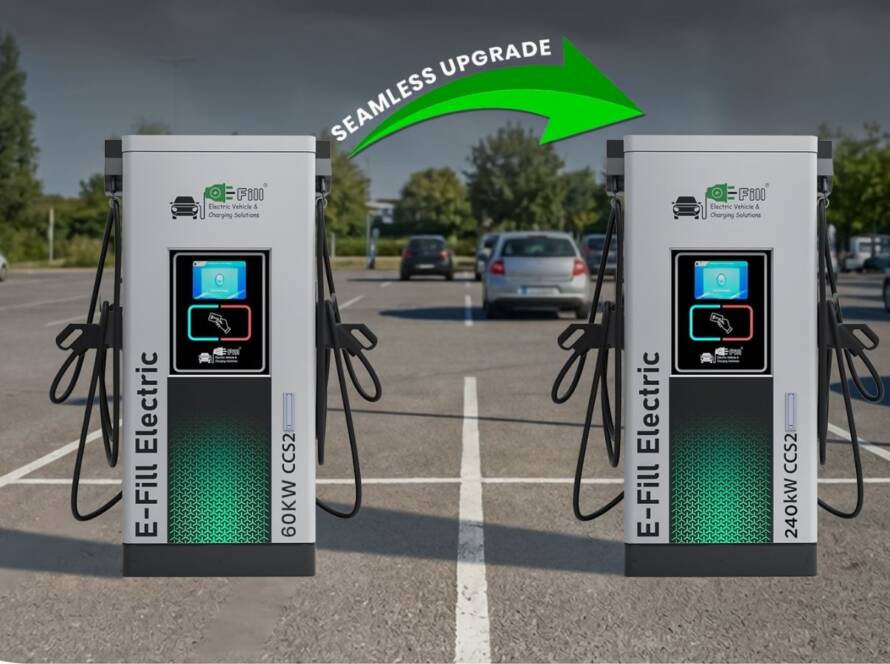
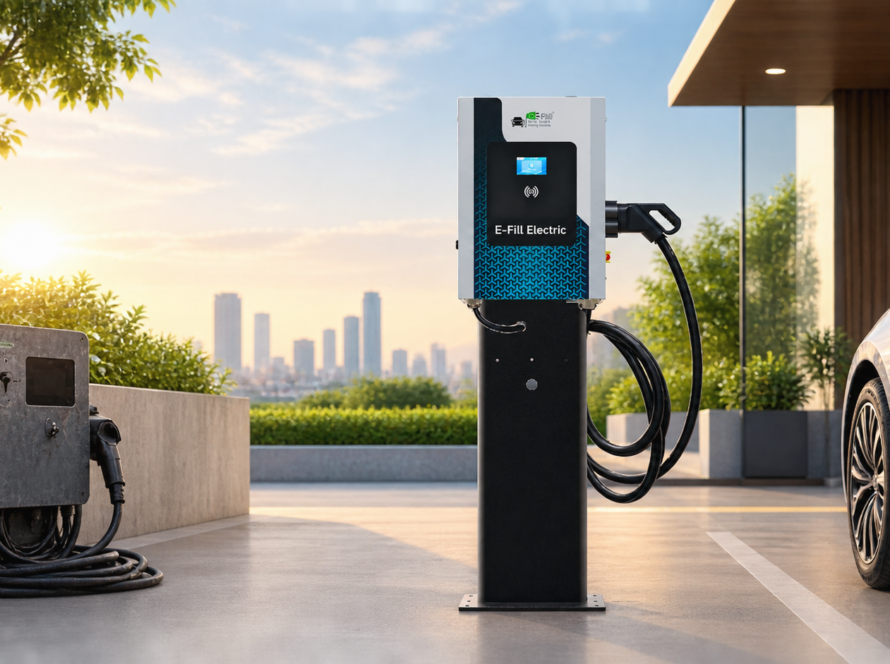
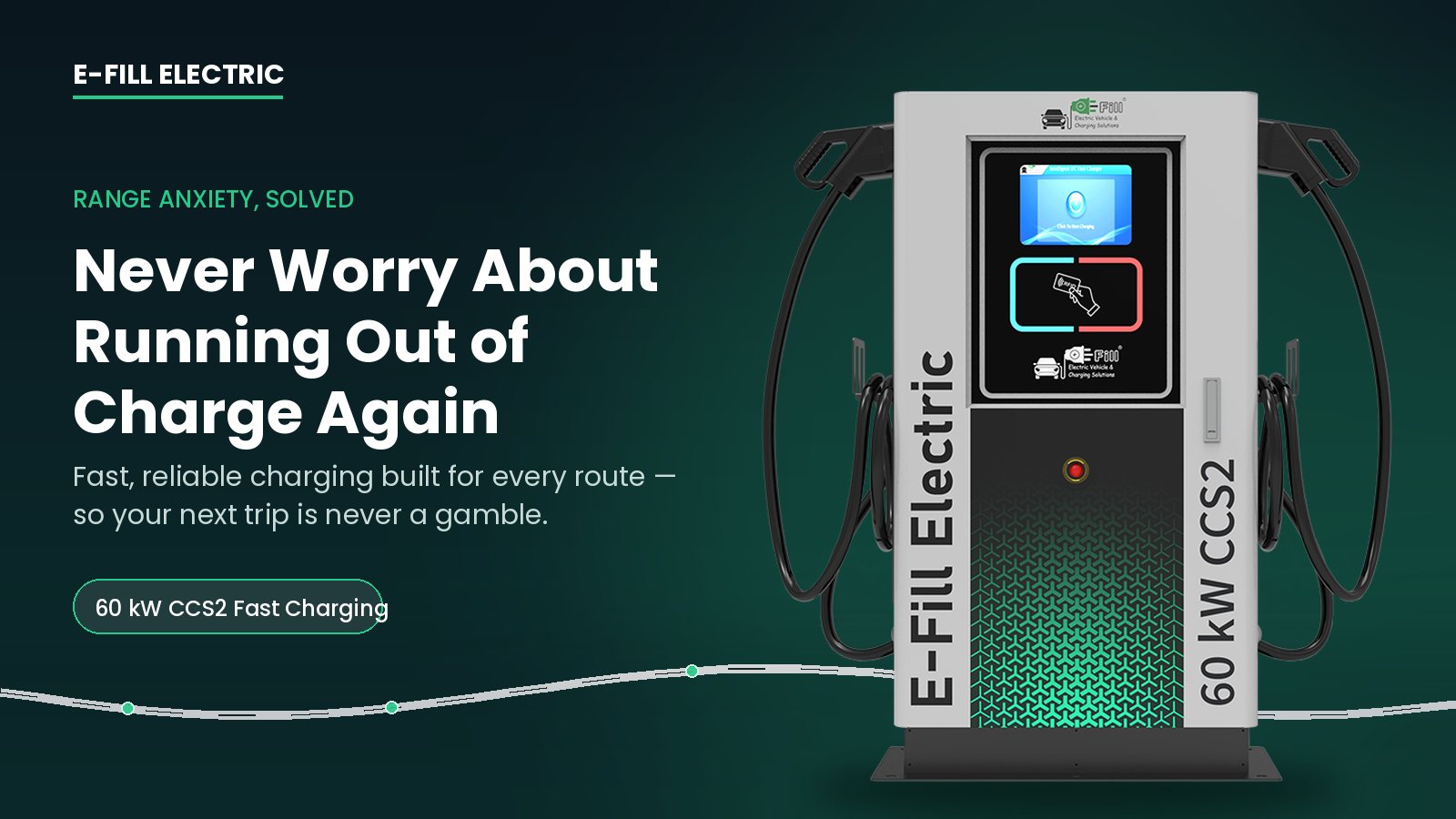
E-Fill Electric’s charging range, including its fast DC charging systems, is built around this exact checklist — engineered for Indian power conditions, weather, and the kind of unpredictable travel days that road trips actually involve.